
Introduction: The Reality of the Modern Coach strategic marketing partner for coaches
You became a coach to change lives — not to chase clients, manage ads, or learn complicated marketing tools. Yet here you are, spending more time figuring out email funnels and social media algorithms than actually coaching strategic marketing partner for coaches.
Sound familiar?
Many talented coaches find themselves overwhelmed by the business side of coaching. They struggle to balance helping clients while also trying to grow their business online. The result? Burnout, inconsistent income, and frustration.
strategic marketing partner for coaches But here’s the good news — you don’t have to do it all alone. Partnering with a strategic marketing agency can help you shift from being an overwhelmed coach to a confident CEO who grows with clarity and consistency.
—
1. The “Overwhelmed Coach” Phase: Why Most Coaches Get Stuck
Let’s be honest — the coaching industry is booming, but it’s also crowded. With hundreds of new coaches launching every day, standing out online takes more than just passion.
The Typical Struggles:
Inconsistent lead flow: Some weeks you have inquiries; other weeks it’s dead silent.
Marketing overload: Social media posts, sales pages, email sequences — where do you even start?
Tech confusion: Tools like Meta Ads, ClickFunnels, or ActiveCampaign sound powerful, but they’re time-consuming to learn strategic marketing partner for coaches.
No clear growth strategy: You’re trying different things but not seeing predictable results strategic marketing partner for coaches.
This is the overwhelm trap — where you’re doing everything but not moving forward strategically.
A coach in this stage is often reactive, not proactive. You respond to trends, copy what others are doing, and hope something works. The truth is, without a clear system, even the most passionate coach can stay stuck.
—
2. Why You Need a Strategic Marketing Partner (Not Just a Service Provider)
Hiring a marketing agency might sound like an expense at first. But the right partner isn’t just about running ads or building a funnel — they become an extension of your vision.
A strategic marketing partner helps you build a growth system, not just a campaign. They take the marketing burden off your shoulders so you can focus on what you do best — coaching.
Here’s What a True Partner Does:
1. Clarifies your brand positioning: They help define who you serve, what transformation you offer, and why clients should choose you.
2. Builds your growth roadmap: Instead of guessing, you get a step-by-step plan aligned with your revenue goals.
3. Implements proven systems: From lead generation to automation, they set up systems that run consistently — even when you’re not working.
4. Optimizes and scales: They track performance, refine what works, and scale your business sustainably.
When you have a strategy-driven partner, marketing shifts from being chaotic to being intentional.
—
3. The Transformation: From Coach to CEO
Partnering with a strategic marketing team is more than outsourcing — it’s about upgrading your identity.
Here’s what that transformation looks like:
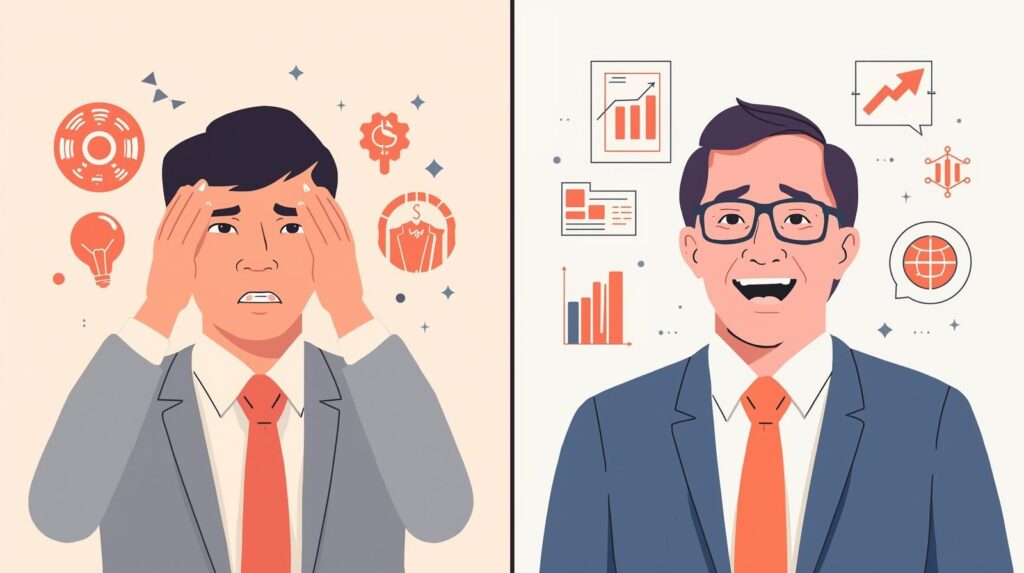
Before Partnership: The Overwhelmed Coach
Feels anxious about leads and monthly income.
Spends 80% of time managing tools and content, 20% actually coaching.
Relies on guesswork and short-term trends.
Struggles to communicate value clearly online.
After Partnership: The Confident CEO
Has predictable systems for client acquisition.
Focuses primarily on coaching, content, and vision.
Operates with clarity, not chaos.
Has a professional brand presence that attracts ideal clients effortlessly.
You move from “How do I get clients this month?” to “How do I scale to the next level?”
That’s the difference between being self-employed and being a true CEO of your coaching business.
—

4. The Core Areas a Strategic Marketing Partner Transforms
Let’s break down the exact areas where a marketing partner makes the biggest impact on your growth journey:
1. Brand Clarity & Positioning
You can’t sell transformation if your audience doesn’t understand it. A marketing partner refines your messaging — crafting a story that resonates with your ideal clients.
 Clear niche and audience
Unique value proposition
Consistent brand identity across platforms
When your brand speaks directly to your target client’s pain points, you no longer chase leads — they start coming to you.
—
2. Automated Lead Generation Systems
Instead of hoping people find you on Instagram, your partner builds systems that attract and nurture leads automatically.
This includes:
High-converting landing pages
Optimized ad campaigns
Email automation that builds trust
Lead magnets that generate daily sign-ups
Imagine waking up to new leads every day — without having to post constantly.
—
3. Sales Funnel & Conversion Strategy
A marketing partner maps out your entire buyer journey — from awareness to purchase.
That means creating:
Lead capture systems (free training, quiz, or masterclass)
Automated email follow-ups
Sales pages that convert
Retargeting campaigns for warm leads
The result: predictable enrollments and steady growth.
—
4. Content Marketing with Strategy
Instead of random social posts, you get a content strategy that aligns with business goals.
Every post, video, and email is designed to:
Build authority
Nurture leads
Drive conversions
Your marketing becomes purposeful — not just pretty.
—
5. Analytics, Tracking & Optimization
Real CEOs don’t rely on guesswork — they use data.
A marketing partner monitors what’s working, what’s not, and makes data-driven adjustments to improve results continuously.
This ensures you’re not just growing — you’re growing efficiently.
—
5. Real-Life Results: The Power of Partnership
Let’s look at a common example:
Meet Aisha, a life coach.
She had a growing Instagram following but no consistent income. She posted daily, ran a few ads, and tried building her funnel using YouTube tutorials.
After partnering with a strategic marketing agency:
Her brand was repositioned to attract high-paying clients.
A simple funnel was built — free workshop → email nurture → discovery call.
Ad campaigns and automated follow-ups were launched.
Within 90 days, Aisha doubled her client base and reduced her workload by 40%.
This transformation wasn’t magic — it was strategy and partnership at work.
—
6. How to Choose the Right Marketing Partner for Your Coaching Business
Not all agencies are equal. To find the right partner, look for these qualities:
Strategic Thinkers, Not Just Executors
They should understand the why behind every campaign — not just build it.
Experience in the Coaching Industry
They should know the unique psychology of selling transformation, not just products.
Data-Driven Decision Making
They should rely on analytics, not assumptions.
Transparent Communication
You should feel supported, not left in the dark about what’s happening in your business.
Focus on Long-Term Growth
Avoid “quick fix” marketers who promise overnight results. Real transformation comes from systems that last.
—

7. Your New Role as a CEO
Once your marketing systems are in place, your role changes dramatically. You move from doing everything to leading everything.
As a CEO, your focus becomes:
Vision and leadership
Product and client experience
Team building and partnerships
Continuous learning and innovation
You’ll have the clarity, confidence, and freedom to scale without burnout.
—
Conclusion: Step Into Your CEO Era
Being a coach isn’t just about transformation for your clients — it’s about transformation for you too.
Moving from overwhelmed to empowered starts with one decision: to stop doing it all alone. A strategic marketing partner gives you the clarity, systems, and support to grow with confidence.
You’ve already built your skill as a coach. Now it’s time to build your business like a CEO.
—
Key Takeaways
You can’t scale with confusion — clarity requires strategy.
A strategic marketing partner helps you build predictable systems.
With the right partner, you focus on coaching while your business grows in the background.
The shift from coach to CEO isn’t about doing more — it’s about doing less, strategically.