
Introduction
Have you ever searched for a product or service near you and found a list of businesses on Google Maps? That’s local SEO in action. For small businesses and local service providers, ranking well in local searches isn’t just a nice-to-have—it’s essential. If your business doesn’t appear when customers search “near me” or for services in your city, you’re losing out to competitors who do.
In this guide, we’ll explore how local SEO can transform your visibility, bring you closer to your customers, and put your business firmly on the map—literally.
What is Local SEO?
Local SEO (Search Engine Optimization) is the process of optimizing your business online so it shows up in local search results on Google, Bing, and other search engines. Instead of competing with businesses worldwide, local SEO helps you target potential customers in your area.
For example:
- A search for “best coffee shop near me” shows local cafés, not Starbucks in another state.
- A plumber in Mumbai will rank for “plumber Mumbai” instead of competing with every plumber in India.
Local SEO ensures that when people search for your products or services locally, your business is visible.

Why Local SEO is a Game-Changer
Here’s why every business needs it:
- Increases Local Visibility
If you’re not showing up on Google Maps, customers may not even know you exist. Local SEO makes your business visible where people are actively searching. - Drives Highly Targeted Traffic
People searching locally are usually ready to buy. Someone typing “salon near me” isn’t browsing—they’re looking for a place right now. - Builds Trust and Credibility
A well-optimized Google Business Profile (GBP) with positive reviews builds trust before customers even visit your website. - Levels the Playing Field
You don’t need to be a giant brand. Even a small local shop can rank higher than a chain store with proper local SEO.
Key Elements of Local SEO
1. Google Business Profile Optimization
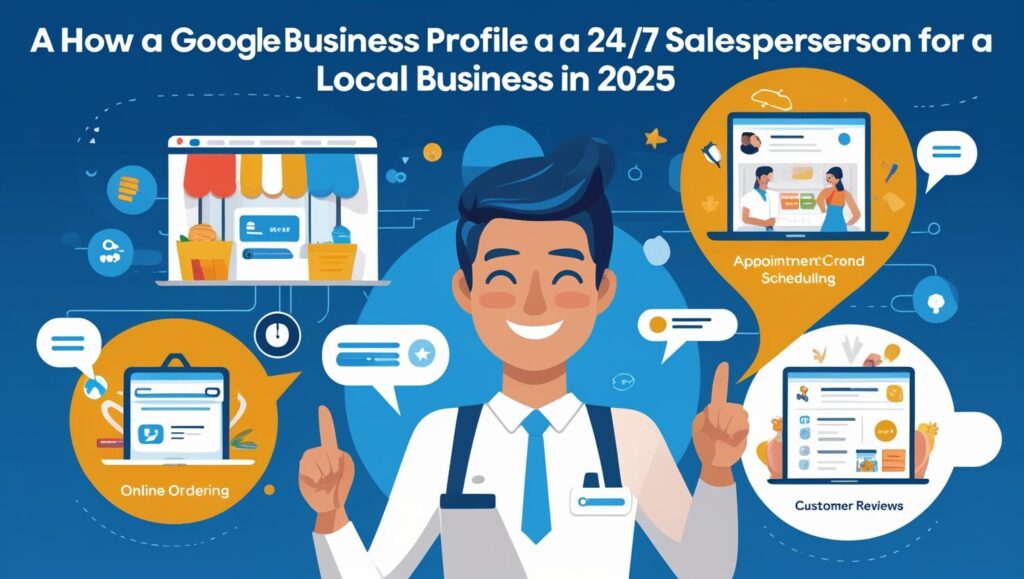
Your Google Business Profile (GBP) is your digital storefront on Google. Optimizing it is the first step in local SEO success.
- Claim and verify your profile.
- Add accurate business details: Name, Address, Phone (NAP).
- Choose relevant categories.
- Upload high-quality photos.
- Add business hours (and update them for holidays).
- Post updates, offers, and events regularly.
Pro Tip: Businesses with complete profiles get 7x more clicks than those with incomplete ones.
2. Local Keyword Research
Regular SEO focuses on broad keywords, but local SEO targets geo-specific keywords.
Examples:
- Instead of “dentist”, target “dentist in Pune”.
- Instead of “bakery”, target “best cake shop Andheri West”.
Use tools like:
- Google Keyword Planner
- Ubersuggest
- SEMrush
Include local modifiers like “near me, in [city], best [service] + [area name]”.
3. On-Page SEO for Local Relevance
Your website should clearly signal your location and services.
Checklist:
- Add city/area names in titles, meta descriptions, and headers.
- Create location-specific landing pages.
- Embed a Google Map of your business location.
- Include NAP details in the footer of every page.
- Use schema markup (Local Business schema).
4. Local Citations and Directories
Citations are online mentions of your NAP details across directories like:
- Yelp
- Justdial
- Yellow Pages
- IndiaMart
- Sulekha
Ensure consistency—same name, same phone number, same address everywhere.
5. Reviews and Ratings
Reviews are the lifeblood of local SEO.
- 90% of people read reviews before visiting a business.
- Businesses with 4+ star ratings attract far more clicks.
How to get more reviews:
- Ask satisfied customers.
- Send follow-up emails with review links.
- Reply to all reviews (even negative ones) politely.
6. Local Link Building
Links remain an important ranking factor, but focus on local backlinks:
- Partner with local bloggers.
- Get listed in local business associations.
- Sponsor community events.
- Collaborate with nearby businesses for cross-promotion.
7. Mobile Optimization
Most local searches happen on smartphones. If your website isn’t mobile-friendly, you’re losing customers.
Key factors:
- Fast loading speed.
- Responsive design.
- Easy-to-click call and direction buttons.
8. Social Media for Local Engagement
Social media isn’t a direct ranking factor, but local engagement boosts visibility.
- Use local hashtags (#MumbaiFoodies, #DelhiSalons).
- Share customer stories and testimonials.
- Post about local events or offers.
Common Local SEO Mistakes to Avoid
- Using inconsistent NAP across platforms.
- Ignoring Google reviews.
- Not optimizing GBP photos.
- Stuffing keywords unnaturally.
- Forgetting to track results.
How to Measure Local SEO Success
Track these metrics:
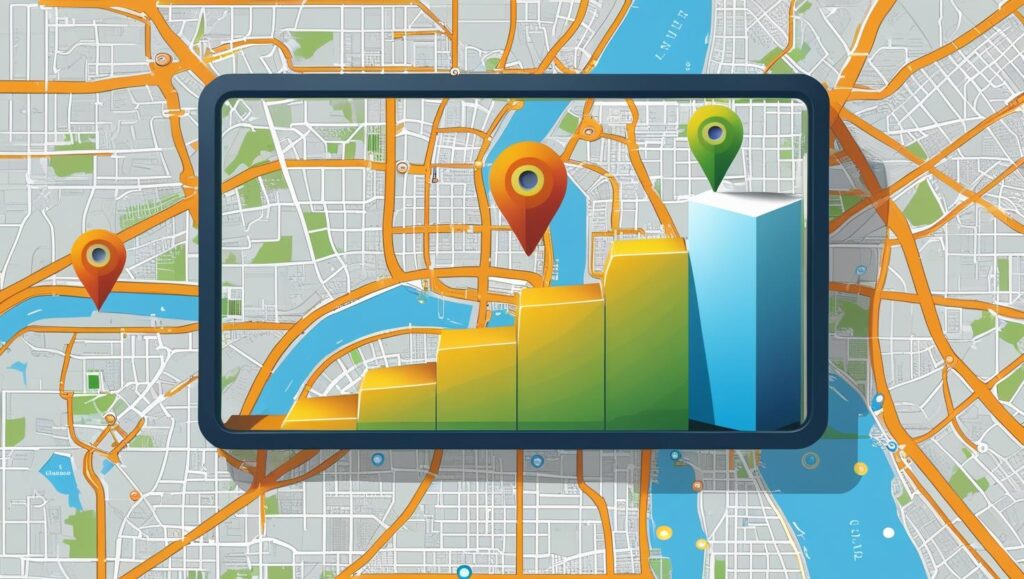
- Google Business Insights: Profile views, calls, direction requests.
- Website Analytics: Local traffic, conversions.
- Rank Tracking Tools: Your position for local keywords.