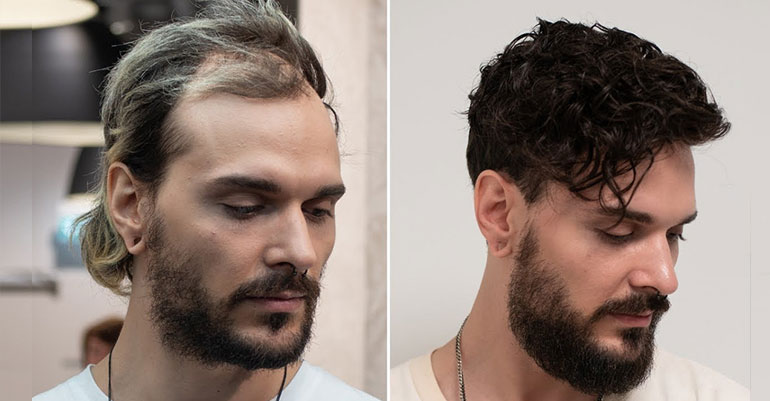
If you’re in Kolkata and thinking about hair fixing — hair systems, hair patches, wigs, or non-surgical hair replacement — you probably have one big question: how much will this actually cost? Beyond price tags, there’s value to consider: longevity, comfort, naturalness, aftercare, and the confidence you buy along with your hair. This guide gives you a clear, honest breakdown of what affects price, realistic cost ranges in Kolkata, how to evaluate quality, and smart ways to get the best value without compromising results.
Quick overview (what you’ll learn)
- Realistic price ranges for common hair fixing options in Kolkata
- Key factors that shape cost (materials, technique, customization, maintenance)
- How to compare salons and technicians (questions to ask)
- Ongoing costs and aftercare you must budget for
- Tips to maximize value and avoid common money-wasting traps
- A short FAQ and buyer checklist to take to consultations
1. What “hair fixing” covers (to avoid confusion)
The term “hair fixing” in Kolkata is used broadly. Here’s a quick breakdown so you know what we’re talking about:
- Custom hair system / hair patch (non-surgical replacement): A custom-made base (lace, polyurethane, etc.) with natural or synthetic hair attached — matched and adhered to your scalp using adhesives or tapes.
- Ready-made wigs and toupees: Off-the-shelf pieces that may be cheaper but need adjustment for a natural fit.
- Permanent/semipermanent bonding: Attaching the system using medical adhesives for longer wear.
- Clip-in or temporary solutions: Cheaper, short-term options for special events.
- Hair integration or hair weaving: Using your natural hair interwoven with extension systems — often used in women’s solutions.
- Maintenance, styling, washing, repairs, and re-bonding: Ongoing services that affect lifetime cost.
Understanding which of these you need will directly impact how much you should expect to pay.
2. Realistic cost ranges in Kolkata (ballpark figures)
Prices vary widely depending on quality and service. Below are approximate ranges you’ll commonly see in Kolkata (INR). These are indicative — individual salons may be higher or lower.
- Basic ready-made wig / toupee (synthetic): ₹1,500 – ₹6,000
- Mid-range ready wig (better synthetic / low-grade human hair): ₹6,000 – ₹18,000
- Entry-level custom hair patch (poly base, lower-grade human hair): ₹12,000 – ₹30,000
- Good quality custom hair system (lace base, mid-quality human hair): ₹30,000 – ₹60,000
- Premium custom human-hair system (fine lace, high-grade human hair, full customization): ₹60,000 – ₹1,20,000+
- Installation / bonding (first-time): ₹1,500 – ₹8,000 (depends on complexity & adhesives used)
- Routine maintenance (wash + refix / re-bond) per visit: ₹500 – ₹3,500
- Repairs (small fixes): ₹500 – ₹4,000 depending on damage
- Replacement cycle: Every 6–24 months typically (varies by hair quality, base type, and care)
Why the big spread? Materials, craftsmanship, and aftercare make huge differences — a ₹30k system might look great for 6 months and then degrade, while a ₹80k system, well cared for, can look natural for 12–18 months.
3. Cost drivers — what you’re really paying for
Understanding what adds to the price helps you judge value instead of just the sticker.
a) Hair quality
- Synthetic fibre: Cheapest but less natural, more visible shine, shorter life.
- Human hair (low grade): More natural but may tangle and shed sooner.
- Remy/virgin human hair: Top quality — cuticle aligned, long lifespan, best styling options. Costliest.
b) Base material
- Polyurethane (PU) bases: Durable, easier to bond, can look natural if matched, but less breathable.
- Monofilament (mono): Good durability and natural look at the crown.
- Lace (French/Swiss): Finest, most natural hairline and parting, but fragile and pricier.
c) Customization and craftsmanship
- Custom measuring, color matching, hand-knotted hairlines, thinning and layering — all demand skilled technicians and time. Skilled labor increases price but yields the most natural outcome.
d) Attachment method
- Tape-based systems: Lower cost, shorter wear time.
- Adhesives / medical glue & sealing: More expensive, longer wear, might require specialist removal.
- Bonding with prosthetic adhesives or surgical-grade methods: Higher cost, requires trained technicians.
e) Service & environment
- Reputable clinics invest in hygiene, trained technicians, and aftercare — these cost money. Cheap home-based services may undercut price but carry higher risk (poor fit, infections, poor adhesives).
f) Aftercare & warranty
- Some quality centers include maintenance packages, free repairs in warranty period, or discounted refix sessions. Factor these into value.
4. Comparing quality vs price — evaluation checklist
When you visit centers in Kolkata, don’t just compare prices. Ask to inspect and consider:
- Portfolio & real-client photos: Especially recent, unedited photos.
- Material transparency: Are you told the hair origin and base materials? (e.g., human Remy, Swiss lace)
- Customization process: Do they take precise measurements? Do they create a mold/measure for the base?
- Trial / patch test: Hygiene and allergy test for adhesives.
- Technician credentials & experience: Who does the installation? How many procedures have they done?
- Warranty & maintenance package: What’s included for repairs, restyling, or early degradation?
- Removal and re-bonding policy: Is removal free? Who will remove the system later?
- Hygiene standards: Clean workspace, sterilized tools, trained staff.
- Client reviews & referrals: Check online reviews and ask for contacts of satisfied customers if possible.
A low price with poor answers to these questions is a red flag.
5. Hidden and recurring costs you must budget for
It’s tempting to think of hair fixing as a one-time purchase. It’s not.
- Adhesives & tapes (home use): ₹300 – ₹1,500 per month depending on use.
- Regular refix/wash appointments: Every 1–6 weeks depending on wear — ₹500–₹3,500 per appointment.
- Repairs & partial replacements: Occasional repairs can add up — budget ₹2,000–₹8,000 per year depending on usage.
- Styling & color corrections: If you need cut/color to blend, factor salon visits.
- Final replacement: High-quality systems last longer but will eventually require full replacement.
A good rule: multiply the upfront cost by 20–30% annually for realistic total cost of ownership (maintenance + repairs + consumables).
6. How to choose the right option for your budget
Not everyone wants a premium custom system. Decide based on lifestyle, priorities, and budget.
- If budget is tight but you want immediate improvement: Start with a mid-range ready wig or entry-level custom system. Expect shorter lifespan and plan to upgrade later.
- If you need daily realism and long-term solution: Invest in a custom lace system with high-grade human hair and a maintenance plan. Costs higher but value per month is better.
- If you’re active (sports, sweating): Choose systems and adhesives designed for high-sweat environments and plan for more frequent maintenance.
- If you want low maintenance for occasional use: Synthetic or clip-in systems are fine.
7. Value-saving strategies that don’t cost you naturalness
- Buy quality consumables in bulk: Adhesives and tapes bought in bulk save money.
- Choose a maintenance plan: Many clinics offer packages — regular washes + refix at lower per-visit costs.
- Learn basic at-home care: Proper washing, drying, and storage extend the life of the system. Ask the center for a written care routine.
- Repair vs replace: Small damage can often be repaired for a fraction of replacement cost — check repair policies.
- Negotiate a bundling price: Many Kolkata centers discount when you buy installation + a 6–12 month maintenance package together.
- Referrals & testimonials: Some clinics give referral discounts — use your social circle.
- Consider hybrid solutions: For some, integrating a hair patch with natural hair reduces base area and cost.
8. Red flags: when low cost becomes expensive later
- Unclear material claims: If they can’t tell you hair origin or base type, walk away.
- No warranty or written policy: No refund or repair policy is risky.
- Quick installs or aggressive sales: High-pressure tactics or “one-time” deals often sacrifice quality.
- Dirty environment or untrained staff: This raises infection and failure risk.
- Overpromising lifespan: If a cheap system promises years without a maintenance plan, be skeptical.
Poor choices can mean recurring replacements and health risks — turning an initial bargain into a long-term drain.
9. Questions to ask during your consultation (printable checklist)
- What exactly is included in the quoted price? (system, customization, installation, first month’s maintenance)
- What hair type and base material will be used? Can I see samples?
- What is the expected lifespan with recommended care?
- Is a warranty included? What does it cover?
- How often will I need maintenance and what will it cost?
- Who will install and remove the system (name/qualification)?
- Are adhesive allergy tests provided?
- Can I see before/after photos of actual clients? Any references?
- What happens if I’m not satisfied after installation?
- Do you offer payment plans or bundled maintenance discounts?
Take notes and compare answers from at least two clinics before deciding.
10. Real client scenarios — cost vs outcome examples
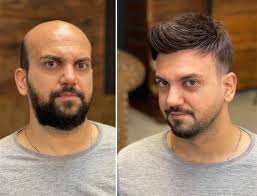
- Rohit, 34, software engineer: Bought a mid-range custom system (₹35k), maintenance package for a year (₹12k). Total first-year spend ~₹47k. Outcome: Natural look, weekly low-cost maintenance, replacement scheduled in 14 months. Value: High — daily use, regained confidence at work.
- Arun, 46, small-business owner: Chose a cheaper ready-made wig (₹5k). Needed frequent adjustments and two early replacements within a year. Cost after one year ~₹15k. Outcome: Short-term savings but higher recurring cost and less natural look.
- Sanjana, 28, salon owner (female hair integration): Went for hair integration with extensions (₹25k upfront) with periodic salon refresh (₹3–4k per session). Outcome: Natural and low-maintenance for her lifestyle; costs controlled with salon package.
These show that the “cheapest” option is often not the cheapest in total ownership.
11. Aftercare basics — extend lifespan, protect investment
- Gentle, recommended shampoos (avoid harsh sulfates unless advised)
- Air dry or low-heat styling — high heat shortens life.
- Brush with appropriate tools (wide-tooth comb, wig brush)
- Careful sleeping routines (silk pillowcases or wrap)
- Avoid chlorine and heavy sun exposure (use protective swimming caps or limit exposure)
- Store properly when not in use (wig stand avoids tangles and deformation)
- Follow clinic’s adhesive removal process — improper removal damages base and hair.
Follow the care plan your clinic provides — it’s directly linked to how long your system lasts.
12. Choosing the right Kolkata center — local realities
Kolkata has a wide range: from small budget outlets to high-end clinics that follow international protocols. Look beyond price — focus on:
- Specialization: Some centers specialize in women’s systems, others in men’s or custom lace work.
- Hygiene & certifications: Modern clinics may have certificates or follow clinical hygiene protocols.
- Tech-savvy staff: Skilled hair technicians who understand color matching, knotting density, and hair direction achieve better results.
- Transparency about materials & lifecycle: Reputable centers explain the tradeoffs.
- Positive and verifiable reviews: Local community recommendations matter.
Visiting two or three places and comparing answers to the checklist above will show which center gives real value for your budget.
13. Frequently asked questions (short answers)
Q: Will a hair patch damage my natural hair?
A: If applied and removed correctly by a trained technician, and if your natural hair is properly cared for, risks are minimal. Poor adhesives or rough removal can damage hair and scalp.
Q: Can I swim/exercise with a hair system?
A: You can, but you’ll need specific adhesives and extra maintenance. Chlorine and saltwater can degrade hair and adhesives—take precautions.
Q: How natural will it look?
A: Naturalness depends on base type (lace is best), hair quality, and technician skill. Hand-knotted hairlines and correct color matching are crucial.
Q: Is it noticeable to touch?
A: High-quality, well-blended systems are hard to notice. Cheap systems or poor blending may feel and look artificial.
Q: Will insurance cover it?
A: Typically not. Cosmetic hair replacement is rarely insured. Check with your insurer for exceptions.
14. Final checklist before you pay
- Get a detailed written quote breaking down materials, customization, installation, and maintenance.
- Confirm warranty terms in writing.
- Ask for aftercare instructions and the schedule for maintenance visits.
- Check if removal and repairs are included or charged separately.
- Verify technician credentials and request client references if required.
- Compare at least two clinics.
Conclusion — value is more than the number
In Kolkata, hair fixing costs range widely. What you pay up front is only part of the story — long-term maintenance, materials, and technician skill play a massive role in whether your investment delivers value. If you prioritize naturalness and longevity, a mid-to-high range custom system with a maintenance plan is usually the smarter financial decision. If you need a short-term, low-cost boost, ready wigs or clip-ins work but expect higher churn.
Spend time on research, ask the right questions, and think in terms of total cost of ownership rather than the cheapest sticker price. Confidence regained, a comfortable fit, and a natural look are worth budgeting for — but they only come from informed choices and professional care.