
Introduction
In today’s competitive world, small and local businesses are constantly battling for attention. The challenge isn’t just about getting seen—it’s about capturing and keeping a bigger piece of your local market share. While big brands often dominate with deep pockets, local businesses can still win by using smart digital marketing tactics that level the playing field.
In this article, we’ll explore proven strategies that can help local businesses not just survive, but thrive, by turning digital tools into growth engines.
Why Market Share Matters for Local Businesses
Market share simply means how much of the local demand your business captures compared to competitors. The larger your share, the more revenue and brand authority you enjoy.
For local businesses, increasing market share means:
- More walk-in customers
- Stronger online visibility
- Higher trust and reputation in the community
- Sustainable growth without always relying on heavy advertising
The secret is using digital marketing the smart way—focusing on strategies that deliver consistent visibility, trust, and conversions.
1. Optimize Your Google Business Profile (GBP)
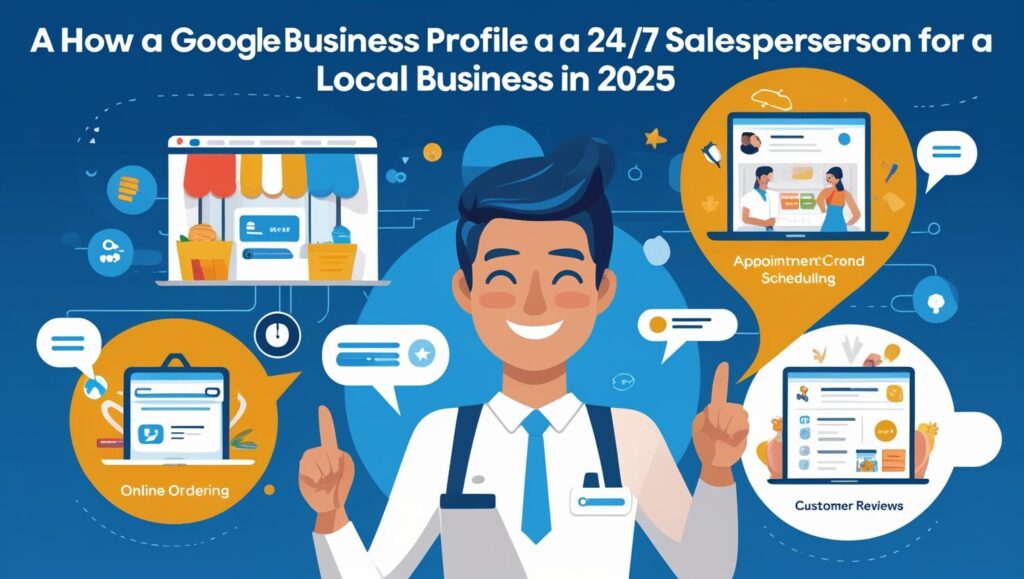
Your Google Business Profile (formerly Google My Business) is often the first interaction potential customers have with your business. If it’s optimized well, it acts like a 24/7 storefront online.
Tactics to win market share with GBP:
- Complete your profile with accurate business hours, services, website, and contact info.
- Add high-quality photos showcasing your products, team, and location.
- Post weekly updates to keep your profile active and relevant.
- Encourage customer reviews—responding to each review to build trust.
- Use Q&A section to answer common customer questions proactively.
Businesses with optimized GBPs appear more in the Local Pack (Google’s map results), giving them an edge over competitors.
2. Leverage Local SEO
Local SEO ensures that when someone searches “best [service] near me,” your business appears at the top.
Smart local SEO tactics include:
- Using location-based keywords (e.g., “plumber in Pune” instead of just “plumber”).
- Creating service area pages for different localities you serve.
- Getting local backlinks from community directories, blogs, and partnerships.
- Embedding Google Maps on your website for easy navigation.
Strong local SEO builds a steady flow of nearby customers and positions your business as a trusted local choice.

3. Run Hyper-Targeted Ads
Instead of competing with big brands in broad advertising campaigns, local businesses can use hyper-targeted digital ads.
How to run smarter ads:
- Use geo-targeting to only show ads in your service area.
- Target by demographics and interests to reach the right audience.
- Use retargeting ads to bring back visitors who didn’t purchase initially.
- Promote special offers like discounts, seasonal deals, or referral programs.
This ensures you’re not wasting money on clicks that don’t convert.
4. Harness the Power of Reviews & Social Proof
People trust people. For local businesses, reviews and testimonials are often the deciding factor.
Smart review tactics:
- Ask for reviews at the right time (after a successful service or purchase).
- Use review management tools to track and respond to feedback.
- Showcase customer stories and case studies on your website and social media.
- Turn 5-star reviews into posts or graphics for added credibility.
The more authentic, positive reviews you collect, the more trust you build—leading to higher market share.
5. Create Locally Relevant Content
Content marketing isn’t just for big companies. Local businesses can dominate their area by creating locally focused content that resonates with their community.
Content ideas:
- Blog posts like “Top 5 Coffee Spots in [City]” (featuring your café).
- Videos of behind-the-scenes operations, team introductions, or community events.
- Social media posts tied to local festivals, sports, or trending issues.
- Email newsletters with tips, local updates, and exclusive offers.
When your content speaks to your audience’s local identity, you become their go-to choice.
6. Build Partnerships with Other Local Businesses
Sometimes, collaboration beats competition. Partnering with complementary businesses helps you tap into each other’s customer base.
Examples:
- A gym and a nutritionist cross-promoting services.
- A florist teaming up with a wedding photographer.
- Restaurants offering discounts with nearby delivery services.
Smart partnerships allow businesses to share marketing efforts while expanding reach.

7. Use Data and Analytics to Stay Ahead
Winning market share isn’t about guesswork—it’s about smart decisions backed by data.
What to track:
- Website traffic and conversions (via Google Analytics).
- Local keyword rankings.
- Ad performance metrics (CTR, CPC, ROI).
- Customer feedback and satisfaction trends.
Regularly reviewing analytics helps you understand what’s working and what needs adjustment—keeping you ahead of competitors.
8. Engage Actively on Social Media
Social media is more than just posting pictures—it’s about creating connections.
Smart tactics for local businesses:
- Focus on platforms your audience uses most (Facebook, Instagram, LinkedIn, or WhatsApp).
- Run geo-targeted contests or giveaways to encourage engagement.
- Use stories and reels to showcase real-time updates.
- Reply quickly to comments and messages to build personal connections.
Strong social engagement builds loyalty and keeps your brand top-of-mind.